Divinity Original Sin 2 Crossplay Multiplayer Compatibility Explained
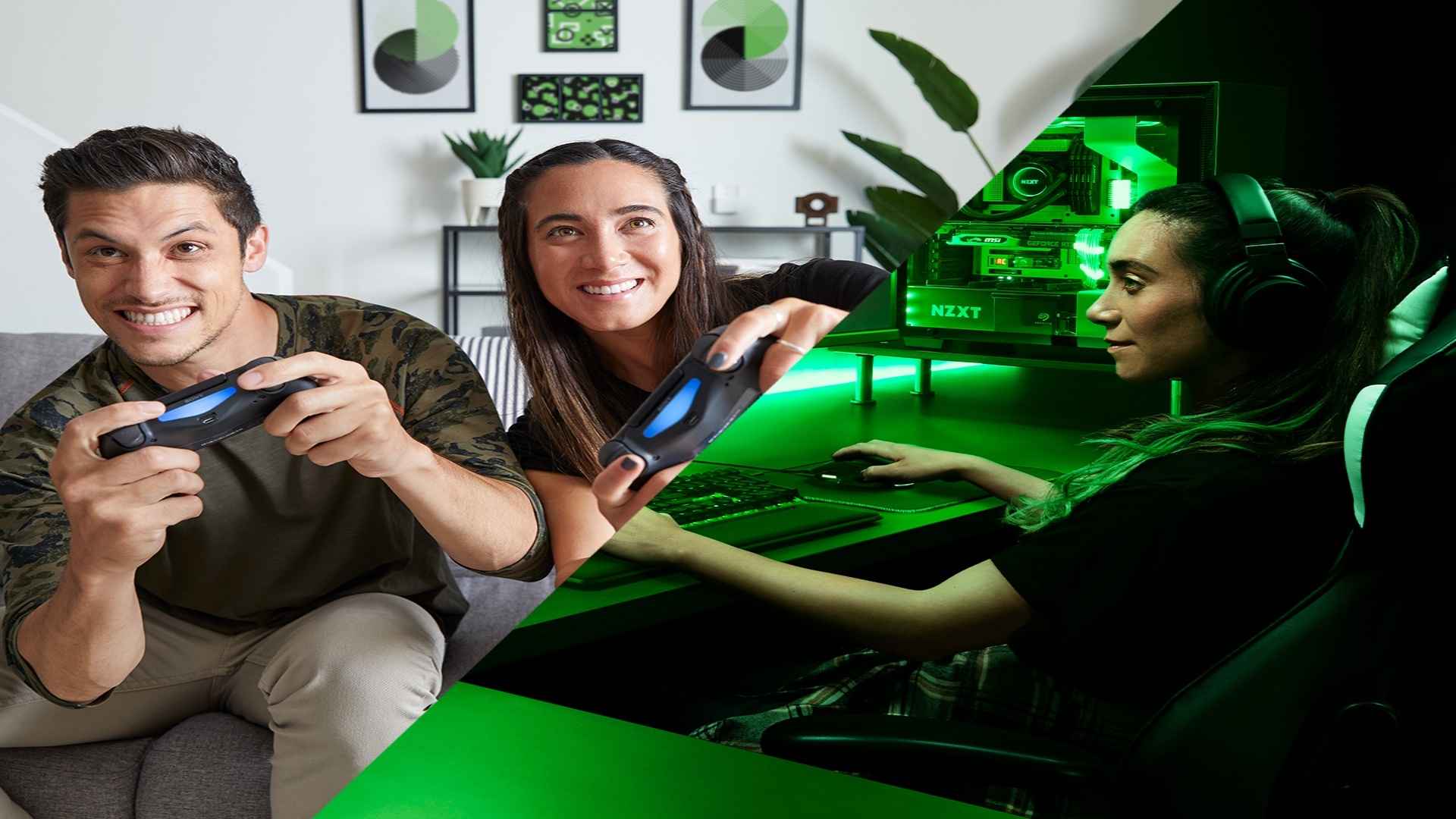
Navigating the rich fantasy world of Rivellon becomes an entirely different experience when you share the journey with a dedicated party of friends. Larian Studios crafted an intricate role-playing adventure that relies heavily on strategic coordination and cooperative decision-making during high-stakes tactical combat. As the game expanded across multiple ecosystems, players naturally began questioning how seamlessly different platforms could interact in the same game world.
Understanding Console and PC Multiplatform Boundaries
The multiplayer framework of this acclaimed fantasy title separates traditional console ecosystems from personal computer environments. Players utilizing a PlayStation 4 cannot connect directly with friends adventuring on an Xbox One or a Nintendo Switch. This technical limitation means that true cross-platform functionality between competing console brands is completely absent from the native network architecture.
However, the PC landscape offers a much more flexible approach to cooperative connectivity across different digital storefronts. Adventurers who purchased the game through Steam can effortlessly host sessions with individuals launching the title from the GOG platform. This smooth digital integration ensures that the broader computer gaming community remains united regardless of where they bought their digital copy.
The Shared Ecosystem of PC and Mac Players
Mac users can rejoice knowing that the developers prioritized connectivity between different desktop operating systems. Players running the tactical campaign on Apple hardware can seamlessly join lobbies hosted by users on Windows operating systems. This specific integration bridges the traditional operating system divide and keeps the computer community active.
Maintaining synchronized game versions is absolutely vital for this cooperative framework to function correctly without sudden network disconnections. Larian Studios frequently deploys identical patches across desktop ecosystems to prevent infrastructure mismatches from ruining active save files. When updates roll out, players must ensure their respective game clients reflect the exact same version number before attempting a connection.
Crossplay Realities for Nintendo Switch Owners
The portable nature of the Nintendo Switch version introduced unique design hurdles and localized connectivity systems. While handheld players cannot connect to PlayStation or Xbox lobbies, they enjoy a special mechanical relationship with the desktop environments. The developers implemented a robust cloud save integration that allows players to move their campaigns between platforms.
This means you can enjoy the deep tactical gameplay on a powerful home computer and later sync your progress to continue playing on the go. While you still cannot engage in direct crossplay matches with PC players, this hybrid progress system offers unparalleled flexibility for solo completionists. It serves as a clever compromise that addresses the hardware limitations of a portable console while keeping progression intact.
Optimizing Cooperative Campaign Connections
Setting up an ideal multiplayer environment requires a clear understanding of the built-in direct connection options. Larian Studios provided a versatile direct connection server ID system that completely bypasses standard platform friend lists. Generating this unique code allows hosts to invite specific allies directly into their current campaign map without relying on complicated platform-specific invites.
For those looking for the ultimate local experience, the game supports an excellent split-screen cooperative mode on modern hardware. This local configuration allows two players to share a single screen while remaining connected to online lobbies for a full four-player party. Utilizing this hybrid setup ensures you can enjoy cooperative tactics with a couch companion while still playing with friends over the internet.